Fractional CTO · Game & Web3 architect · Riga

I ship working products.
Fast, with AI agents.

I’m Andrey Pelipenko — KindeX. 30 years of building games, engines, Web3 platforms and cryptography. Today I take fixed-scope projects of 1–3 weeks: I own the architecture and review, Claude Code agents do the typing. Fixed price, milestones, you pay for accepted results.
IOI 2002
gold medal
160+
games shipped by my studio
20M+
downloads
5
blockchains in one game I architected
~2,300
commits in 3 months, solo with AI
MadSword · 2012–2018

A studio of 35 people and 160+ games

Puzzle, match-3, strategy, shooters, VR — most of them on one reusable Unity engine I architected, with a level editor and a shared game server.


All studio games →

How I work

Fixed scope. Written-first. Accountable.

01Brief → plan

Send a brief, a Figma or just the problem. I reply with a written plan: scope, stack, milestones, acceptance criteria and a fixed price.

02Build

I design the architecture and run AI agents in parallel; every change is reviewed. You see progress on staging, not in meetings.

03Accept → pay

Each milestone is deployed, tested and documented. You pay for accepted results. The code is yours from day one.

Good fit: SaaS MVPs, internal tools, Web3 dApps and smart contracts, browser games and WebGL, architecture reviews and technical due diligence.

Journey

30 years of shipping, from BASIC to AI agents

  1. 1994+ BASIC, Pascal & olympiads
  2. 1998

    Tank — my first finished product

    My first big program taken from idea to a finished game: a tank battle in Pascal, drawn in text mode on an 80×50 grid, with levels, weapons, a menu and a title screen. About a thousand lines, grown from March to May 1998 through version 1.60; that autumn followed Tank 2 with graphics.

    Turbo PascalText mode
  3. 2000

    Lamer-Killer: 3D with no engine

    A top-down shooter with a classmate that turned into my own software 3D renderer — no engine, no GPU, every pixel computed on the CPU with a projection formula I derived myself, years before I knew how Doom did it. The level editor stored the map as a walkability grid, and an optimiser merged long walls into single polygons.

    PascalSoftware rendering
  4. 2000

    Space War 2K: one engine, three games 📷 4

    Inspired by how Half-Life mods worked, I built one engine and one executable that ran three different games — ship dogfights, top-down tanks in the spirit of GTA, and a Worms-like artillery game — just by swapping resource folders and config rules. The main menu played a video rendered in 3ds Max, through my own delta-frame format and BMP loader, in Pascal, which had no video support at all.

    PascalEngineVideo codec
  5. 2001

    Doom RF

    Made in two weeks as a birthday present for a classmate, then polished for a year: 4 players on one computer plus 8 waypoint bots, a level editor, and a bank-switching trick to draw 640×480 past the 64 KB video window. In 2026 ported to 64-bit and SDL2, with sound, as a proper release.

    Borland PascalFree PascalSDL2
  6. 2002

    IOI gold medal

    From algorithm books and the Progmeistars sponsored elite group to 2nd place at the Latvian olympiad and the Baltic olympiad, then gold at the International Olympiad in Informatics in Yongin, Korea — 18th place overall, one of 23 gold medals (listed as Andrejs Ivanovs, Latvia).

    AlgorithmsPascal
  7. 2004+ C++, OpenGL & own engines
  8. 2006

    Steel Engine 📷 4

    An own C++ engine: scenes defined in config, prefabs with overridable parameters — the idea Unity later made mainstream. It was also my bachelor’s thesis, “Modelling mechanical motion in computer graphics” (University of Latvia, 2006, supervisor Dr. Paulis Ķikusts): separate graphics and physics engines, where an object only describes how it looks and the engine decides how to draw it; and a rigid-body physics model written from scratch in 3D, with six degrees of freedom — the cylinder method and the sequential collision algorithm carried over from my 2D coursework, scripted trajectories alongside free motion, collisions resolved by conservation of momentum and energy, about a hundred bodies in real time. The reviewer noted that the motion in the demos really obeys the laws of physics, which many graphics engines of the time did not. Source is public.

    C++OpenGL
  9. 2006–2012

    whiteCryption

    Software architect for white-box cryptography and code protection (RSA, ECC, SHA, AES). Designed the v5 architecture, still in production ~15 years later, now inside Zimperium.

    C++Cryptography
  10. 2010+ Unity & a 35-person studio
  11. 2012–2018

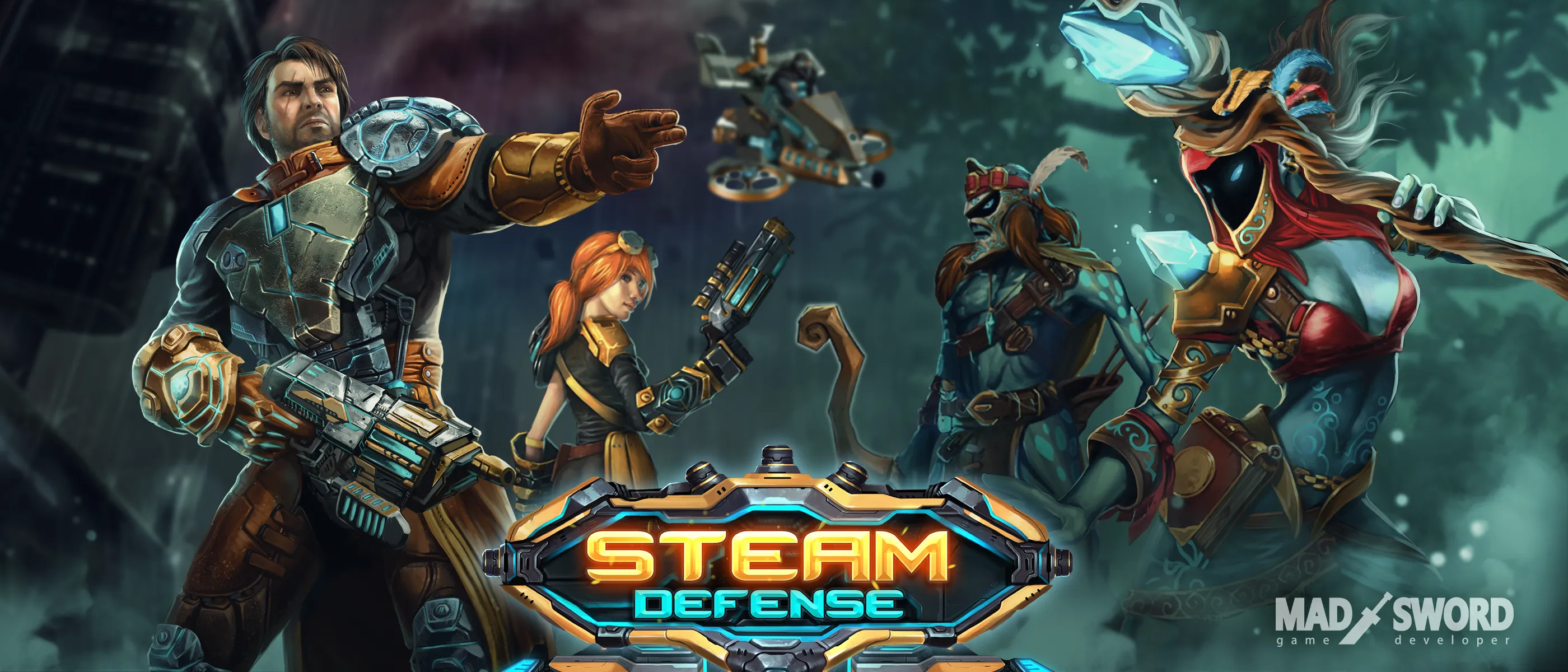
    MadSword 📷 3

    Co-founded a game studio and grew it to 35 people. Started Steam Defense at a kitchen table, raised an investor, then moved to contract games for publishers: one reusable Unity engine with a level editor and shared server shipped 100+ titles and reskins and thousands of levels. 160+ games and 20M+ downloads in total, largely through a Dutch publisher. VR titles too.

    UnityC#Java
  12. 2017+ Web3 & real-time platforms
  13. 2017–2021

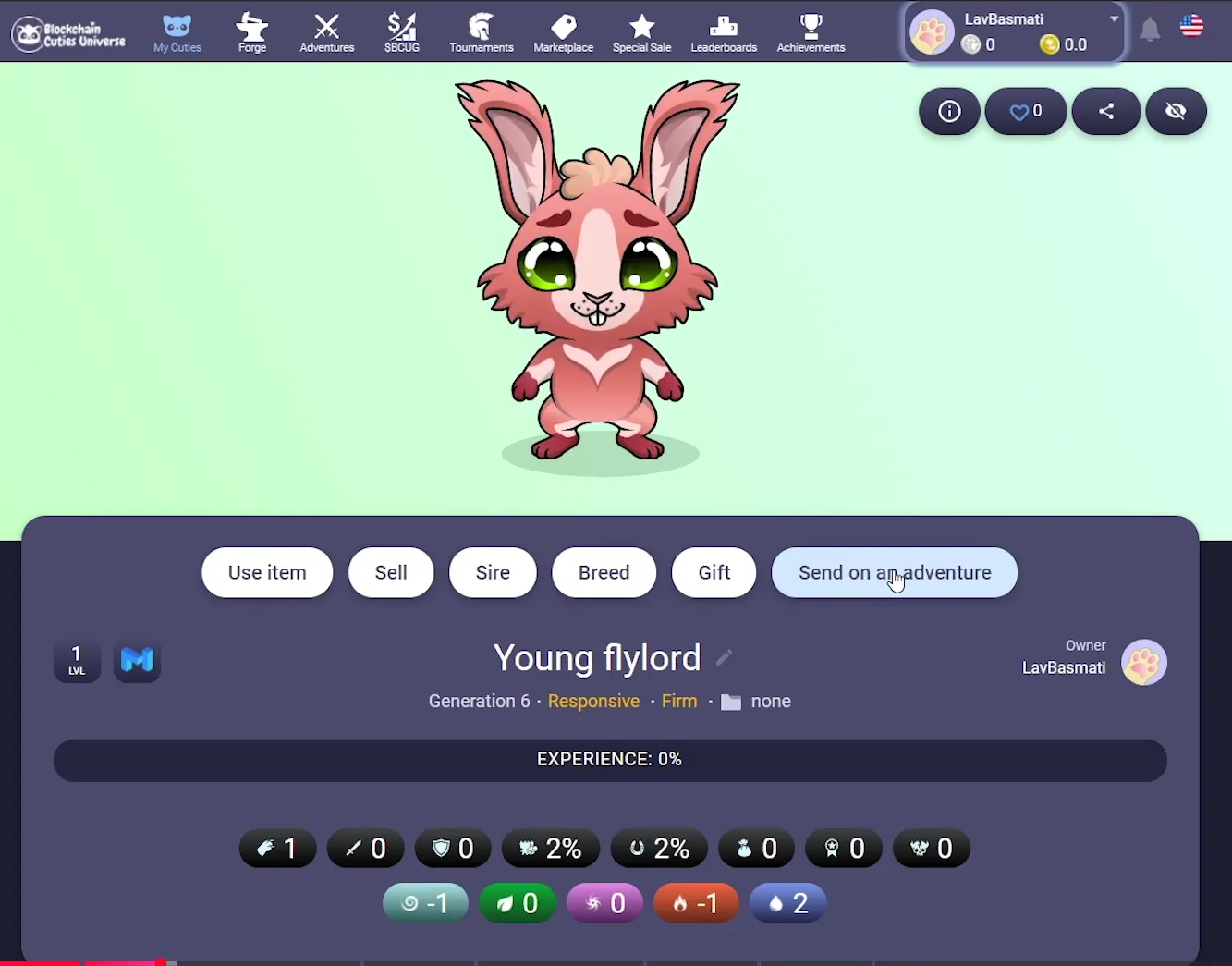
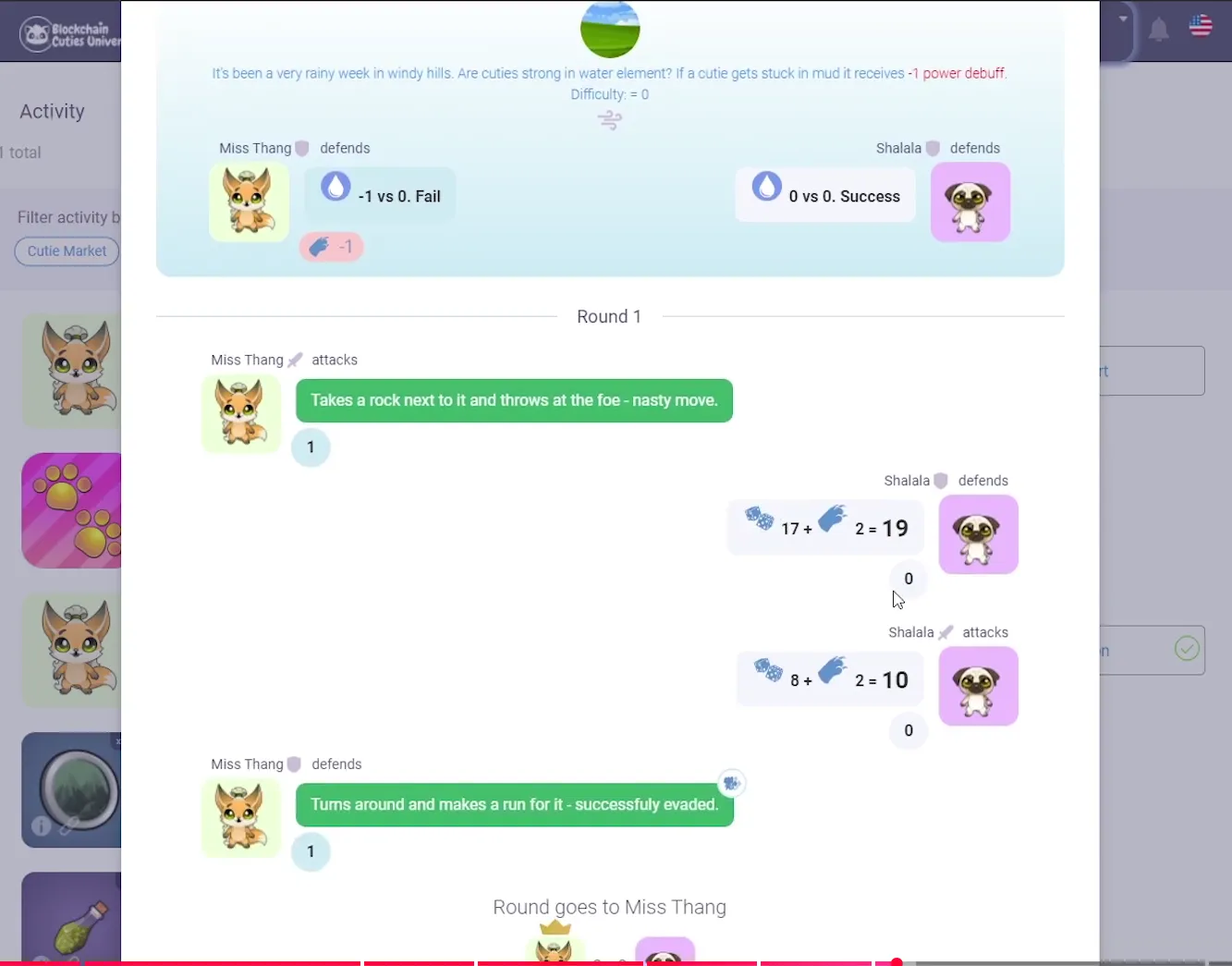
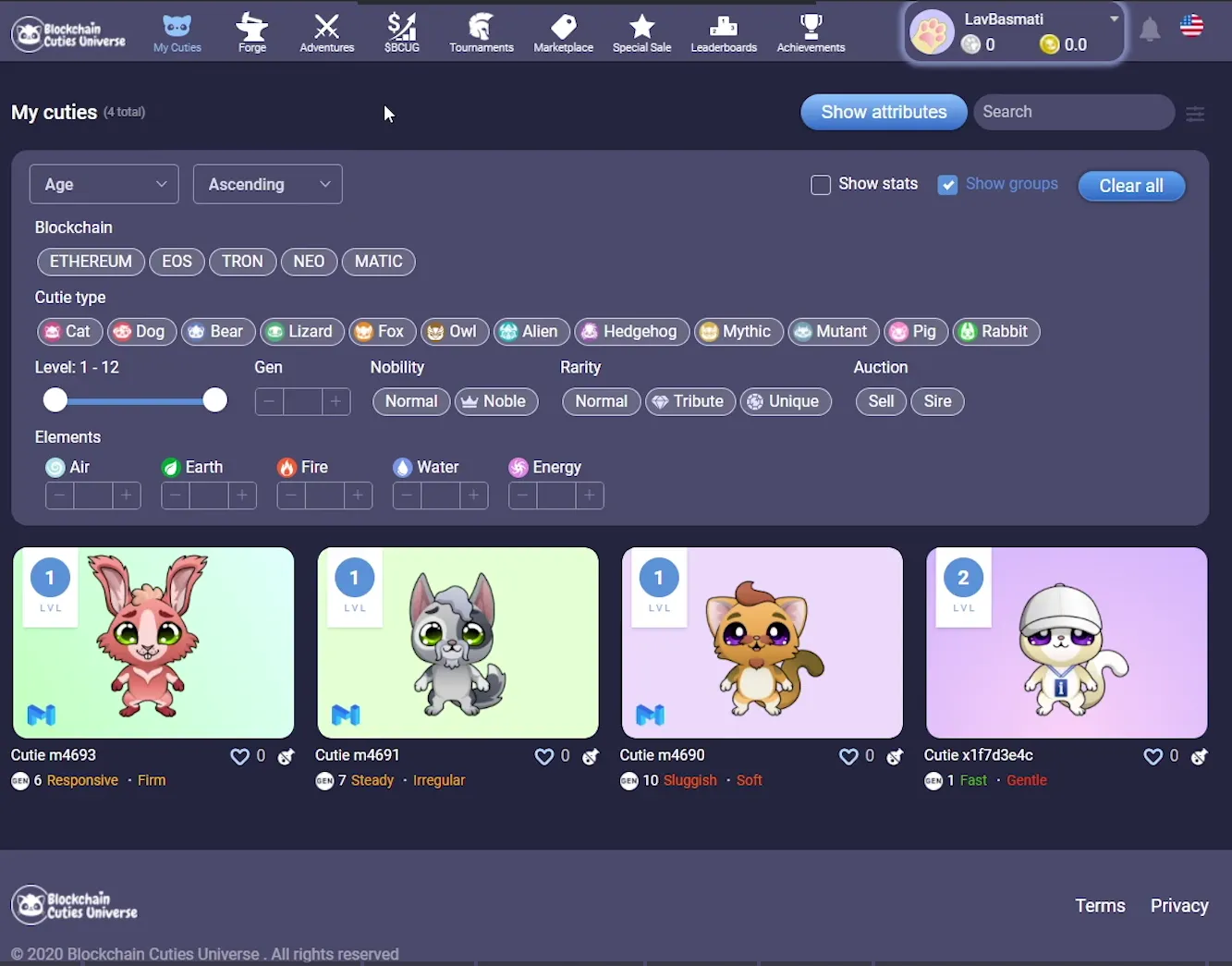
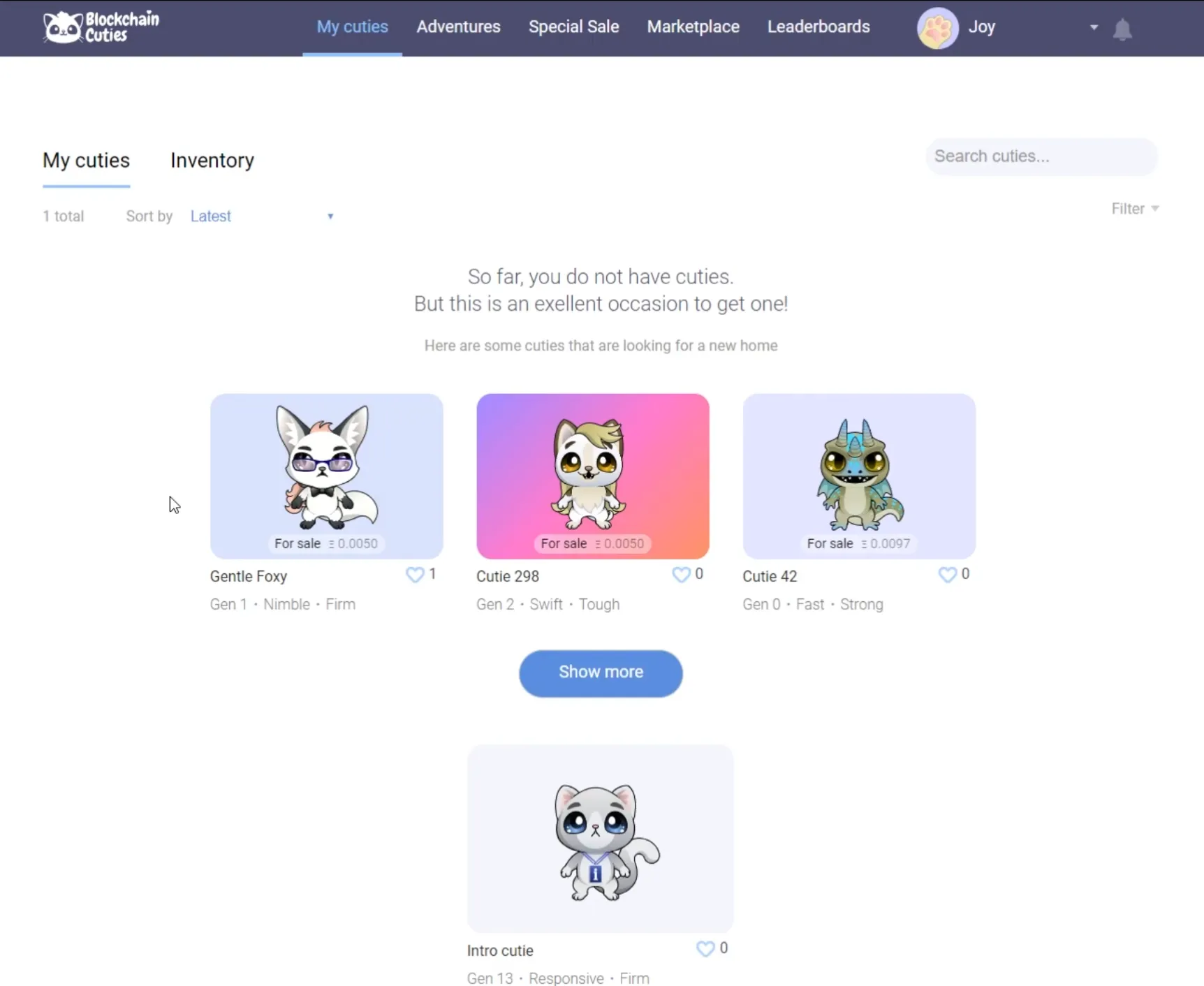
    Blockchain Cuties

    Wrote Ethereum contracts for others, then co-founded Cuties and launched it in four months (April 2018), before ERC-721 was final. Characters and breeding on-chain, items and battles on the server with one-time signatures verified by contracts. Ethereum, then EOS, TRON, NEO and Polygon — a multi-chain design later extended to 7. #1 on DappRadar; 2021: governance token contracts and IDO.

    SolidityNode.jsEOSTRON
  14. 2020–2024

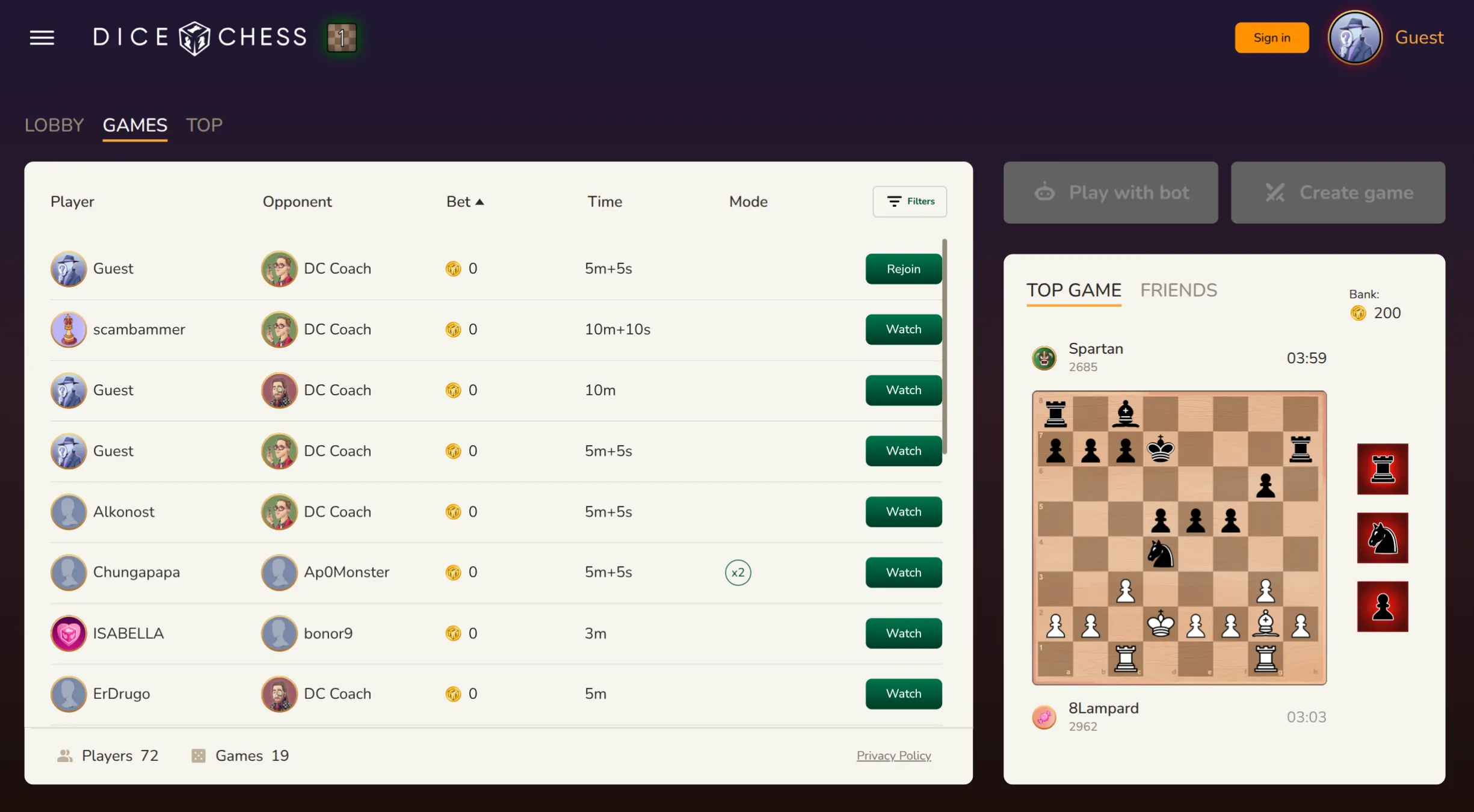
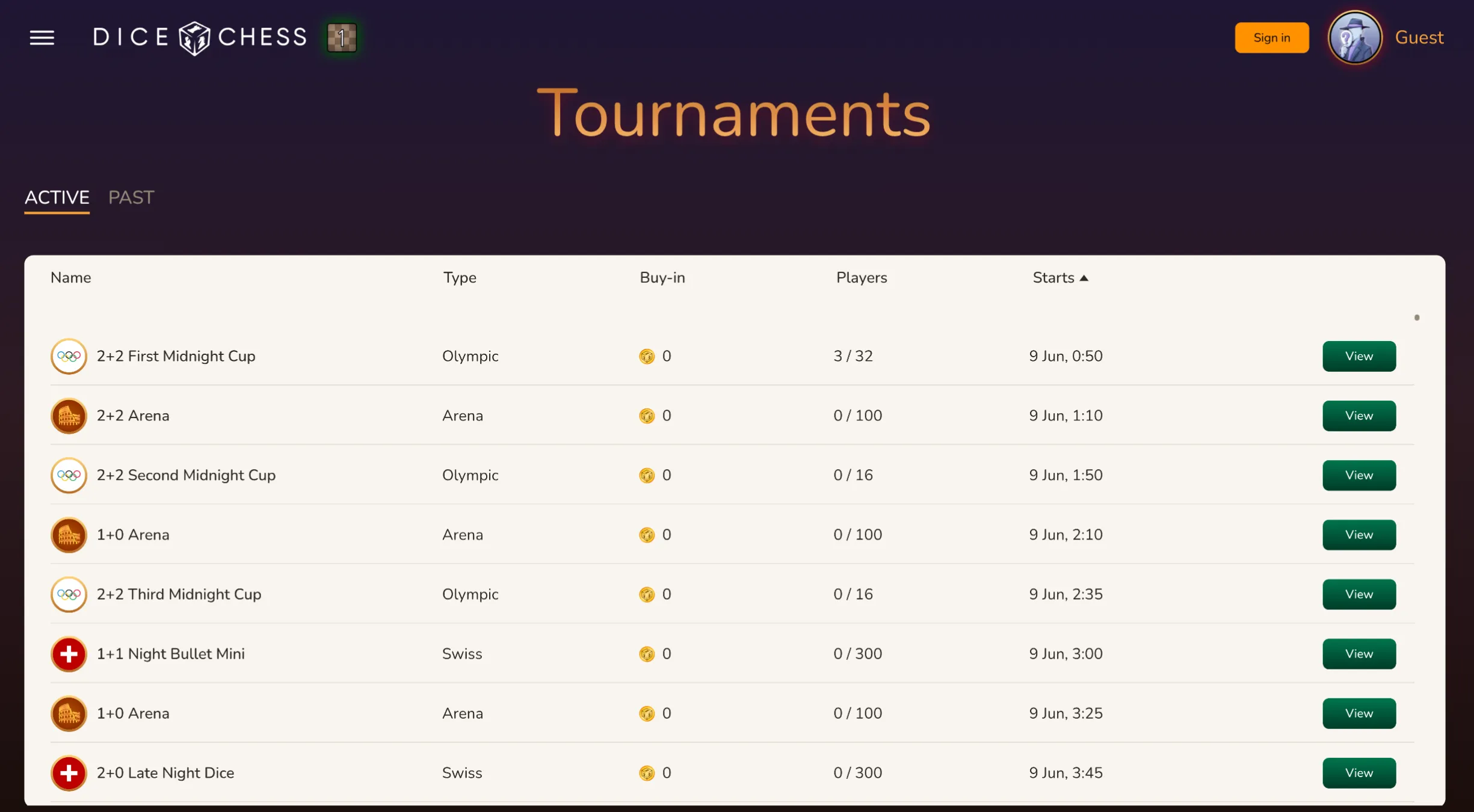
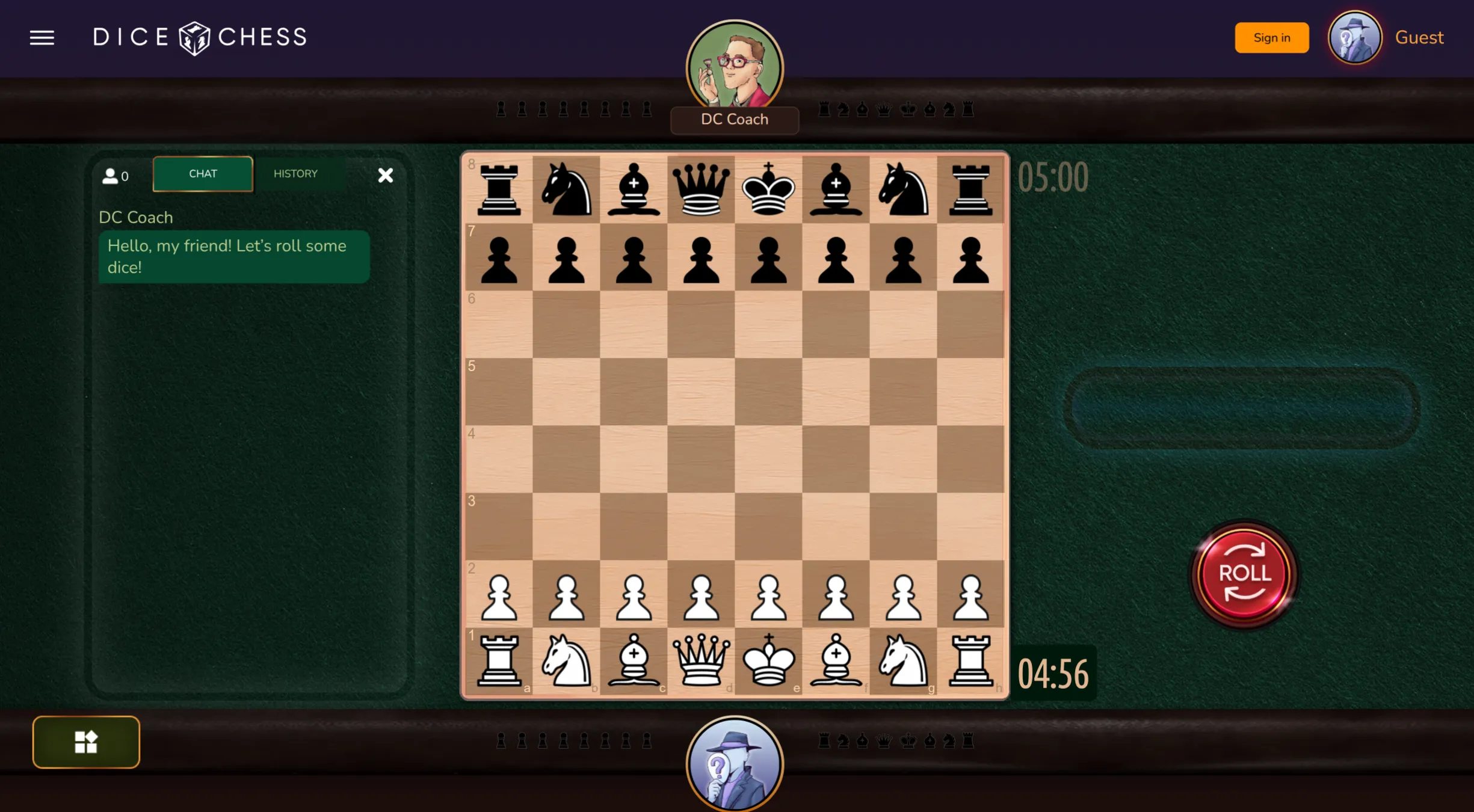
    Dice Chess

    Real-time chess with a dice variant, owned from idea to launch: spec, architecture, own test system for chess positions; load-tested for 20,000 concurrent players.

    JavaVueTypeScriptMicroservices
  15. 2021–

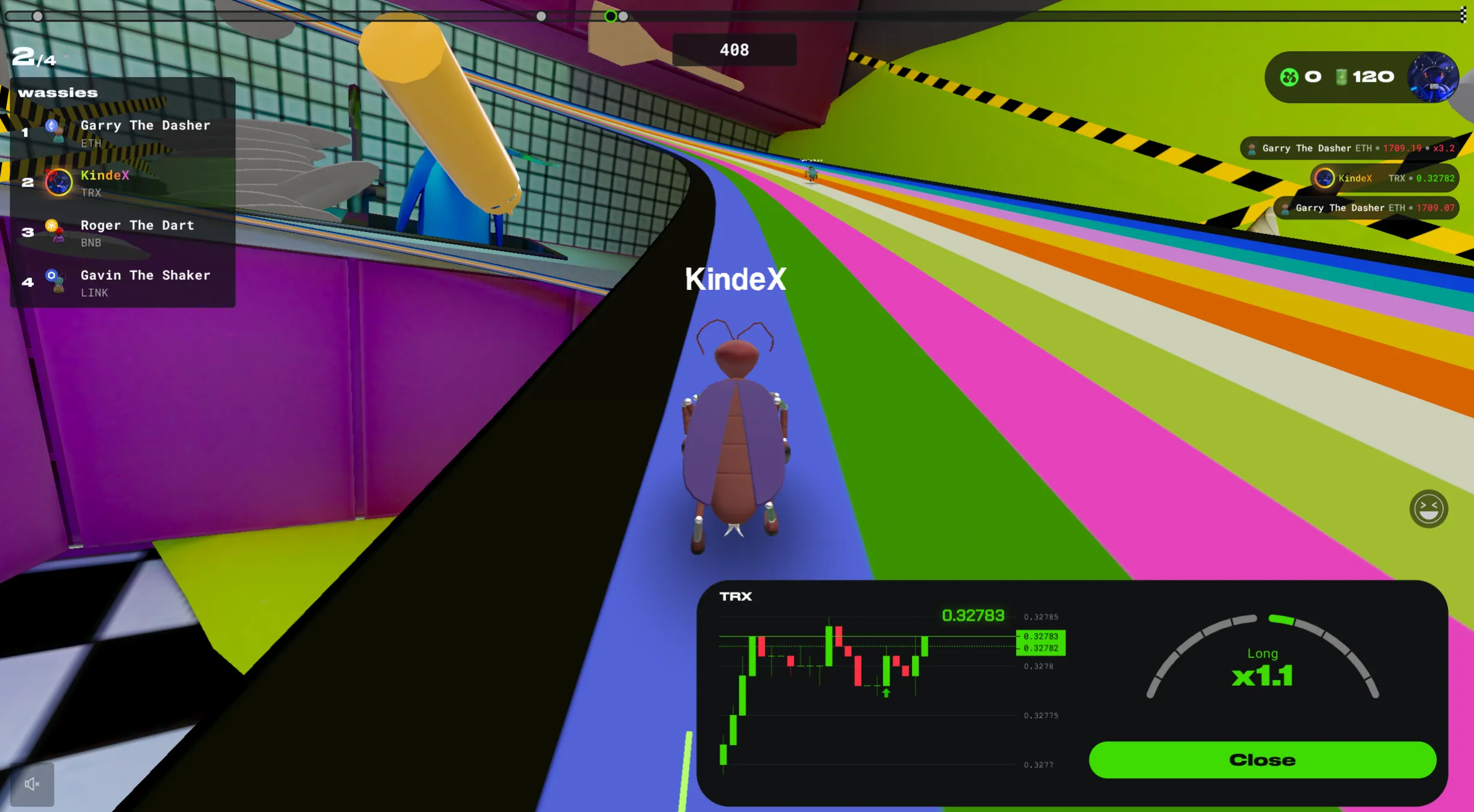
    Roach Racing Club 📷 8

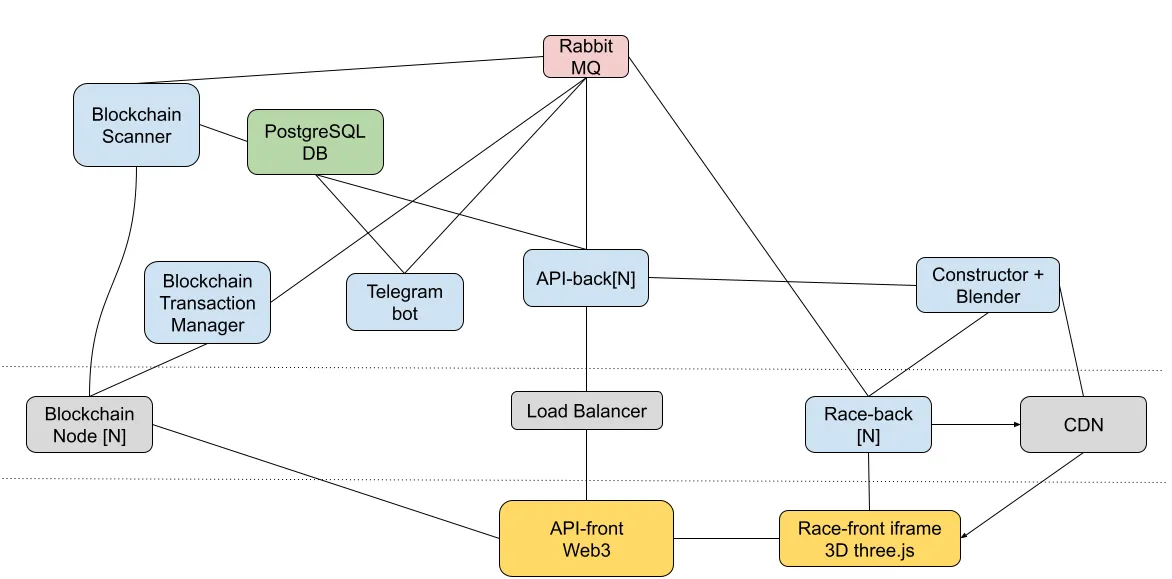
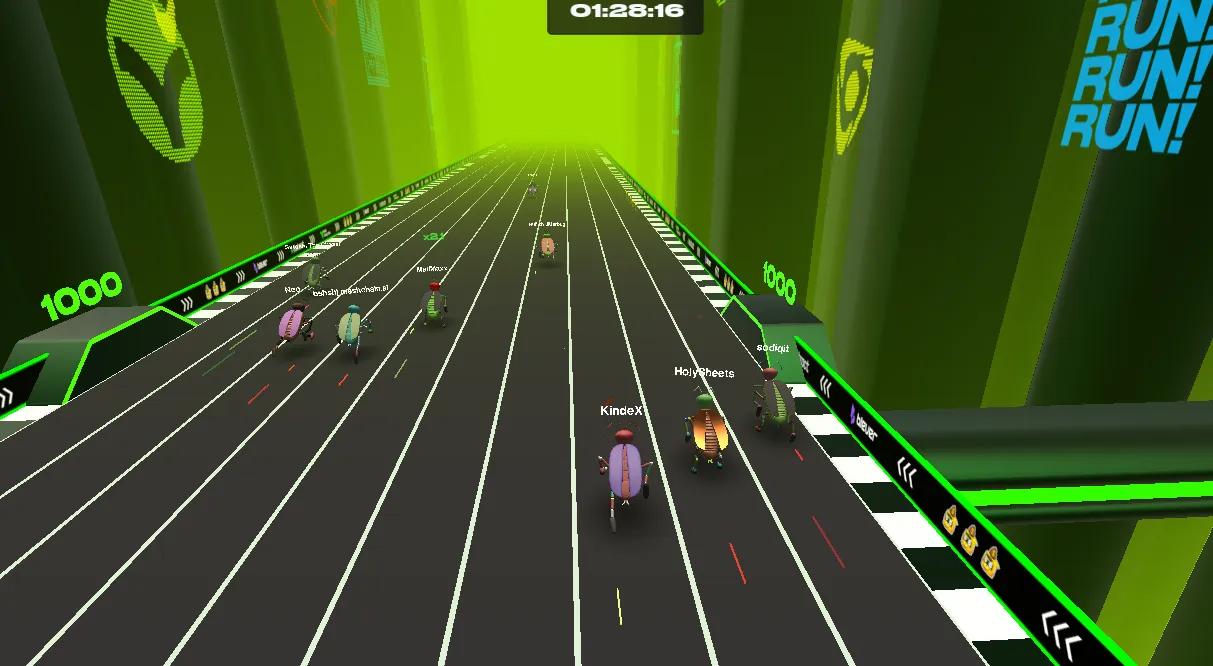
    Web3 racing game from scratch, steered by live crypto trading: smart contracts, tokenomics, a custom WebGL engine for live races of 10, a race model balanced in my own simulator, and a microservice backend. On the web and in Telegram.

    SolidityThree.jsTypeScript
  16. 2025+ AI-orchestrated delivery
  17. 2026

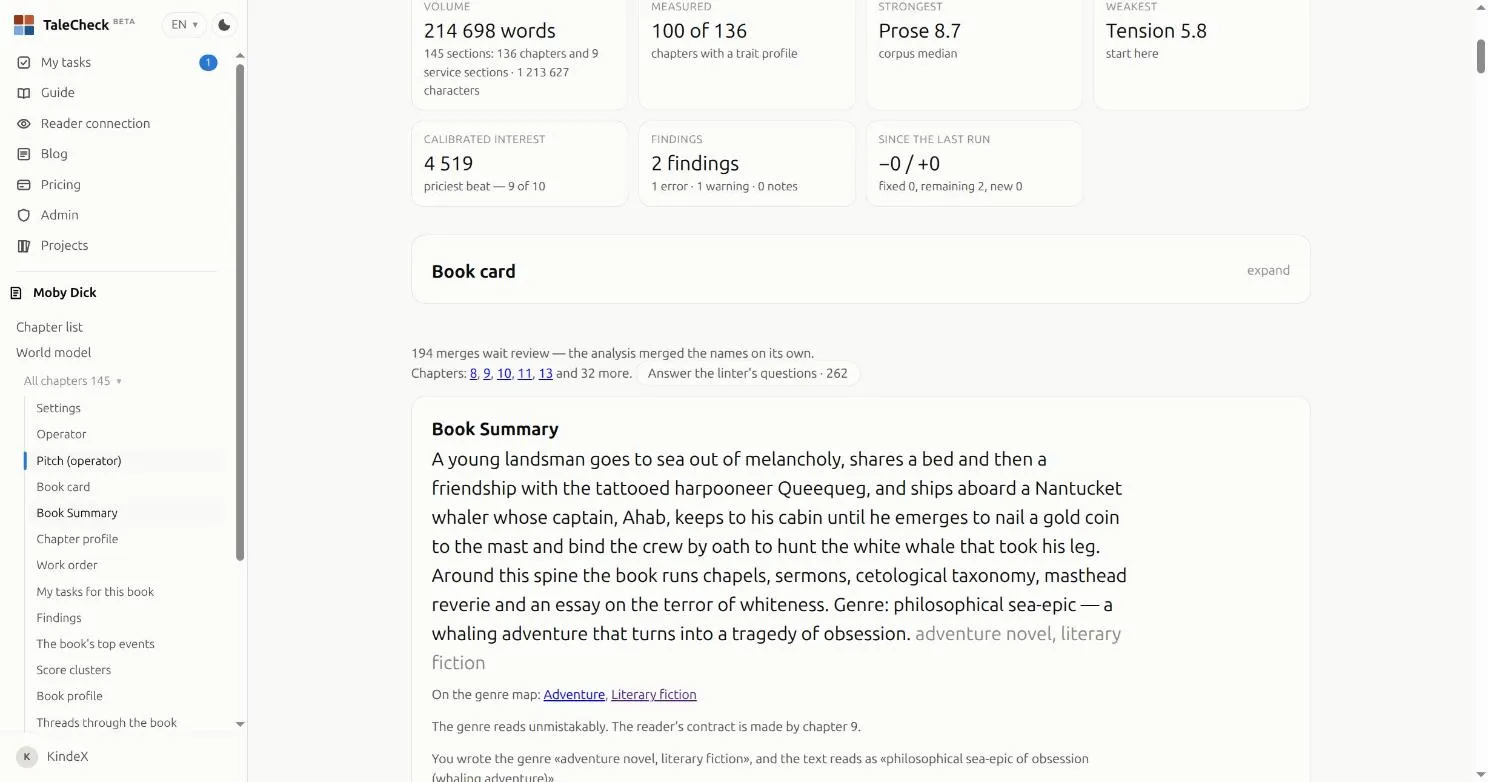
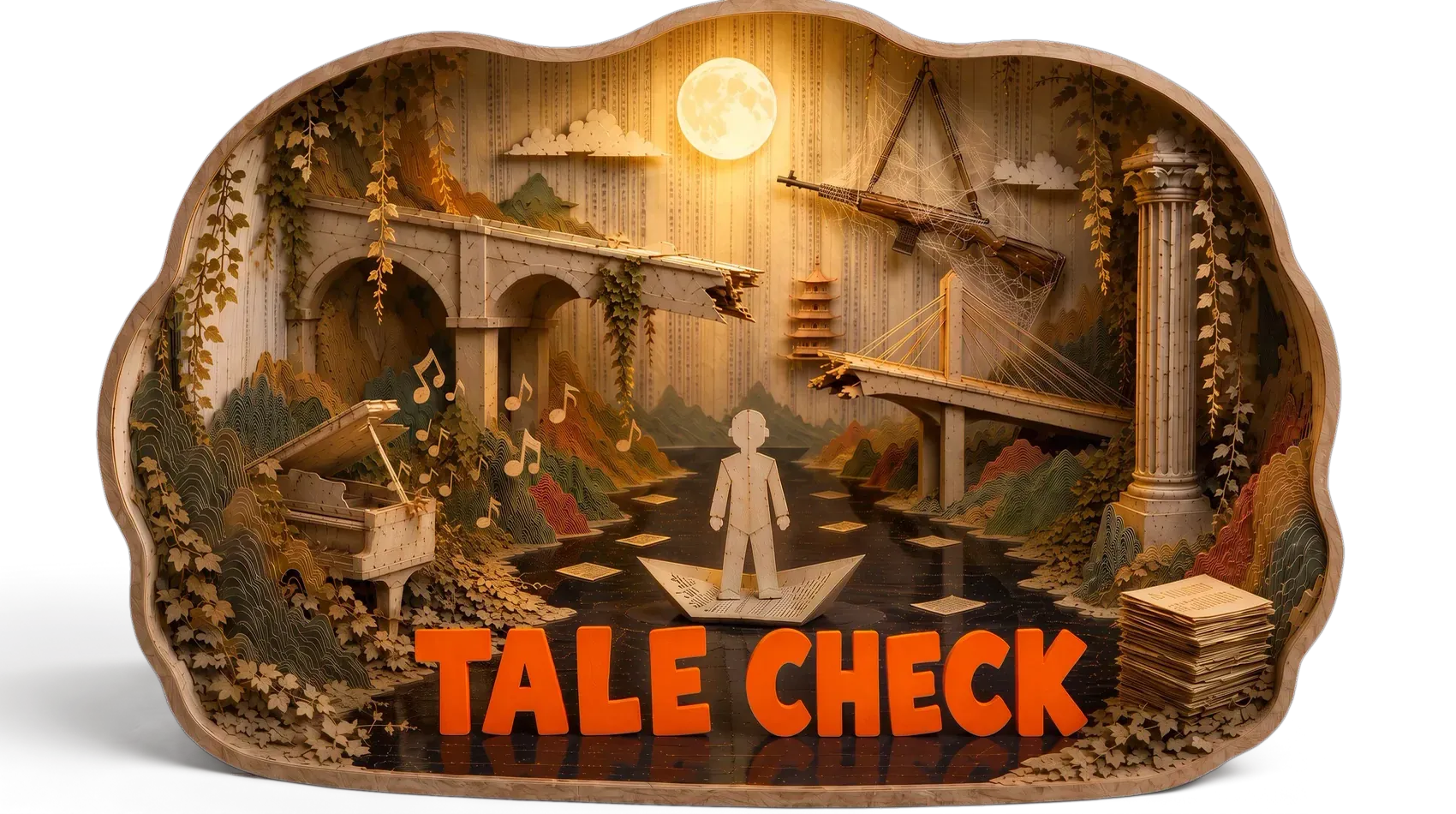
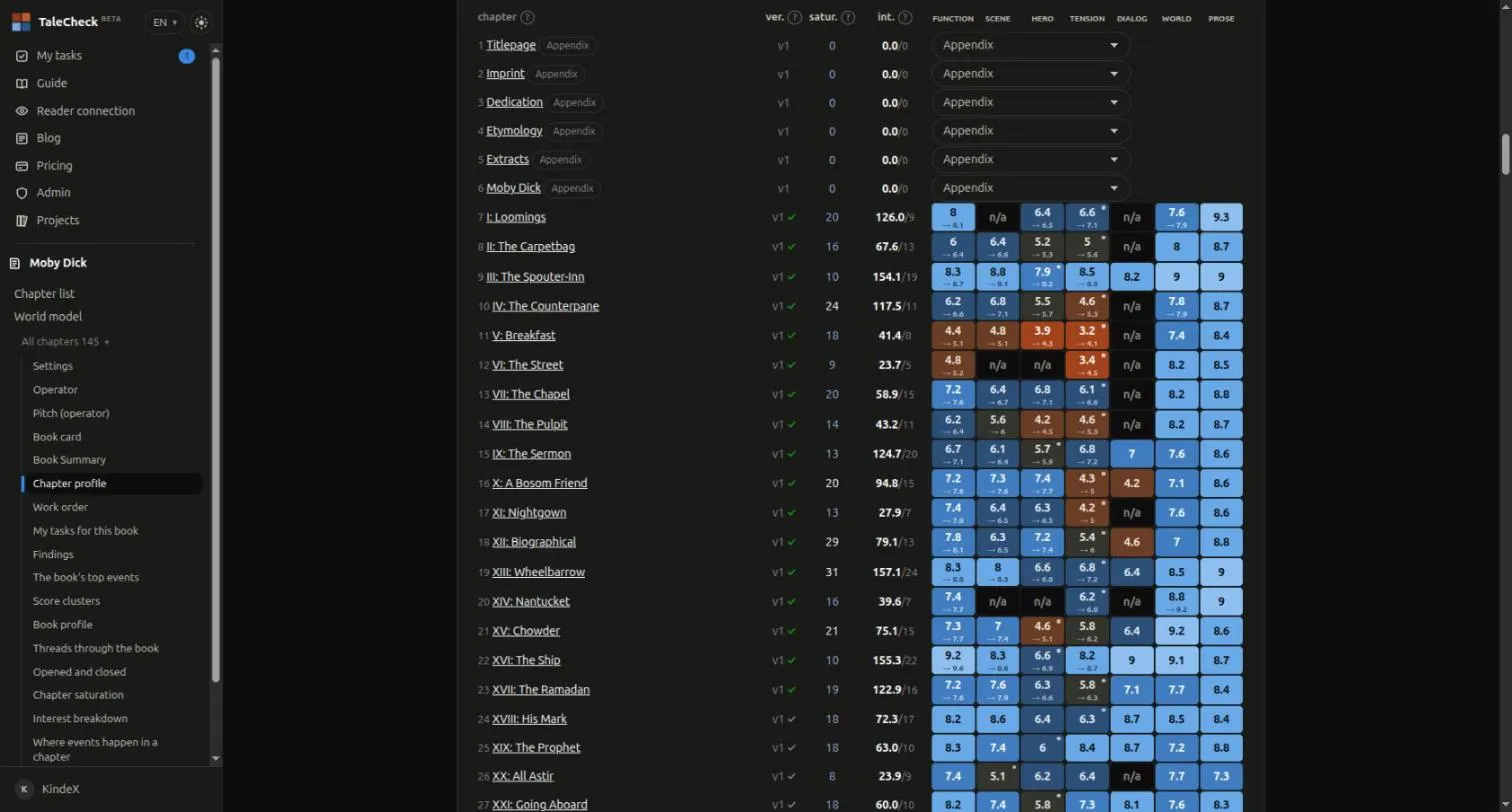
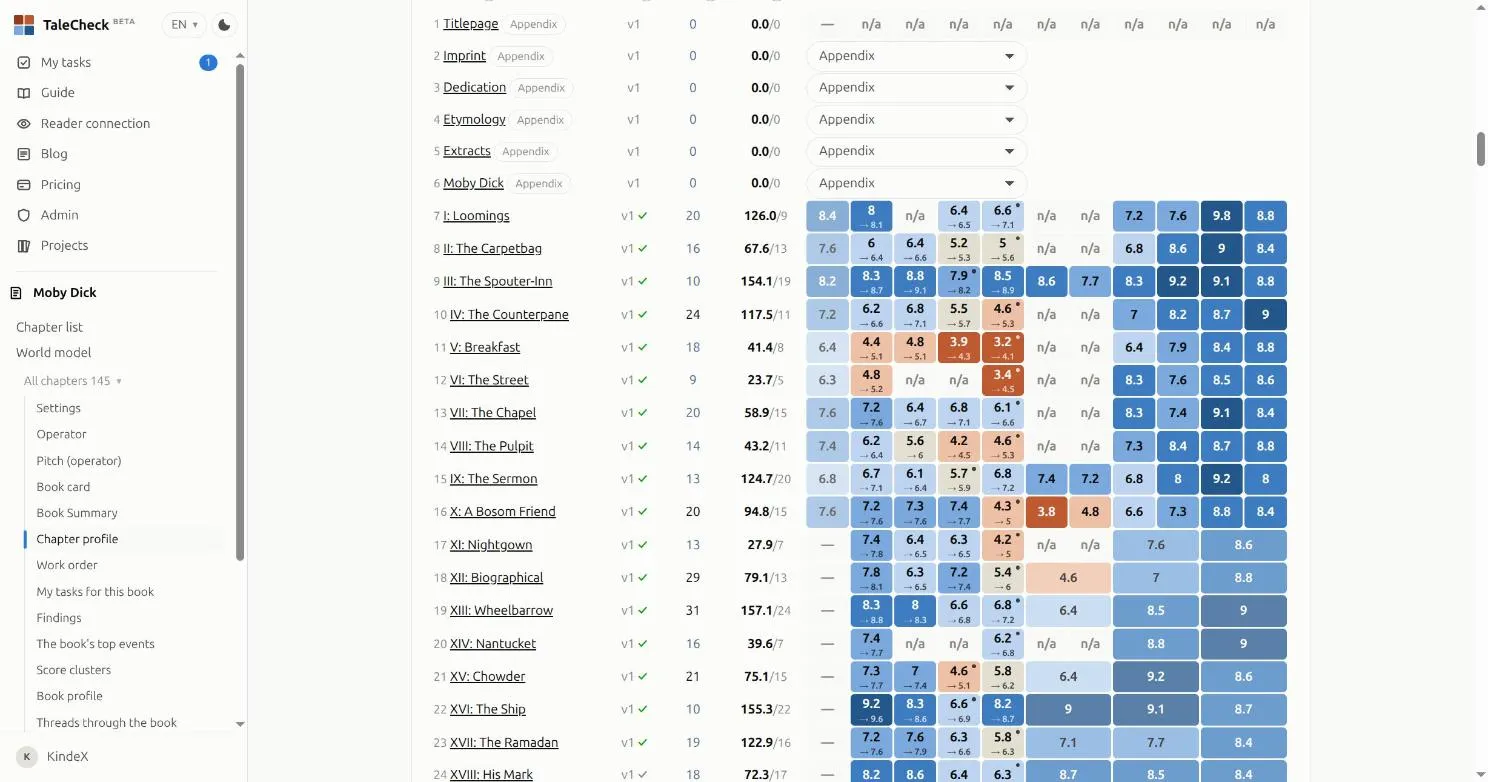
    TaleCheck

    Static analysis for fiction, built solo with Claude Code and parallel agents: ~2,300 commits in under three months, live with paid users.

    TypeScriptNestJSClaude CodeAnthropic API
Full journey →
Andrey Pelipenko

Have a project?

Send me a brief and I’ll reply with a scope and a price within a day.

kindexz@gmail.com